TEEKANNE · China Market Entry
Proposing a New Tea Culture
A market-entry identity and campaign system created to introduce a German heritage tea brand to a new generation of Chinese consumers.
Private case study
Private · by request
Full project available by request.
This case study covers real client work, so I keep it private and share it on request. Ask for access by email, or enter the password if you already have it.
Project facts
RoleCreative Direction, Visual Strategy, Art Direction
ScopeMarket positioning, key visuals, packaging, digital experience, campaign assets
MarketChina
DeliverablesBrand communication, packaging, website, campaign system
The challenge
China did not need another brand explaining tea.
TEEKANNE was entering one of the world's most established and sophisticated tea cultures.
The challenge was not simply to translate a European brand into Chinese. It was to find a relevant role for TEEKANNE inside a market where tea already carried strong cultural traditions, rituals and expectations.
The brand needed to remain recognisably international while becoming meaningful to younger urban consumers looking for new flavours and more contemporary drinking occasions.
Strategic opportunity
Create a new occasion, not another tradition.
Instead of competing directly with traditional Chinese tea, we positioned TEEKANNE around flavour discovery, convenience and modern daily rituals.
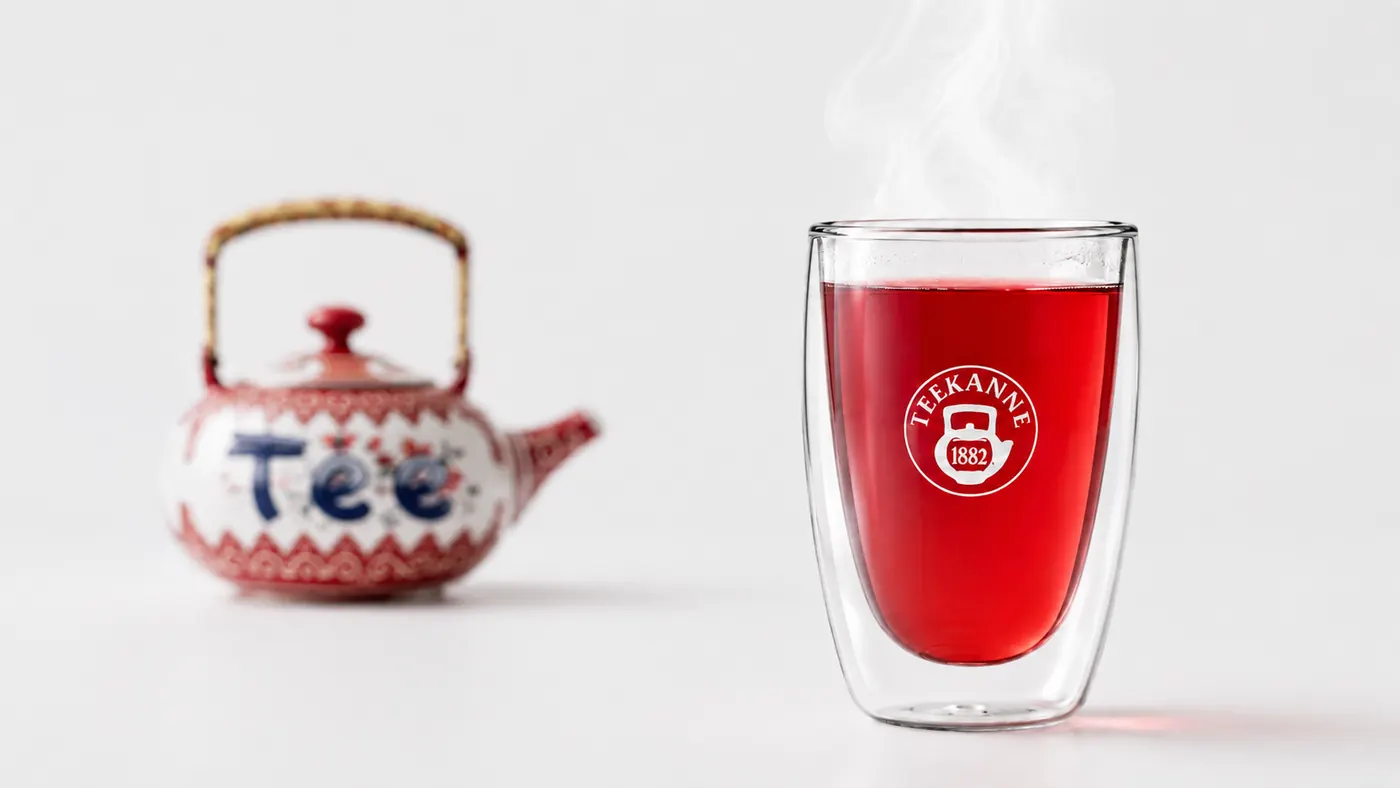
The conversation moved away from heritage and toward experience.
The creative system
From tea product to flavour world
Each blend was developed as its own sensorial environment. Fruit, illustration, colour and atmosphere translated flavour into an immediate visual impression before the product was even tasted.
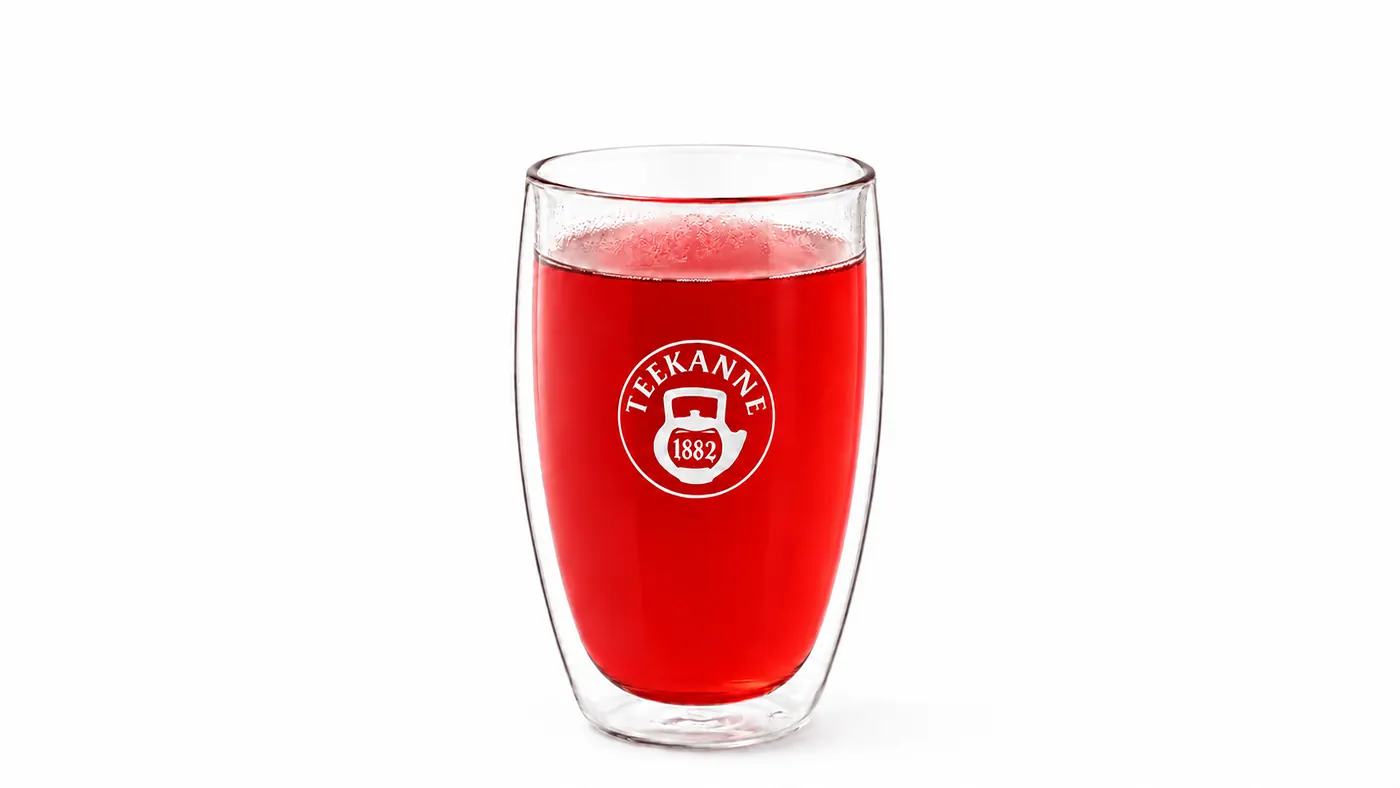
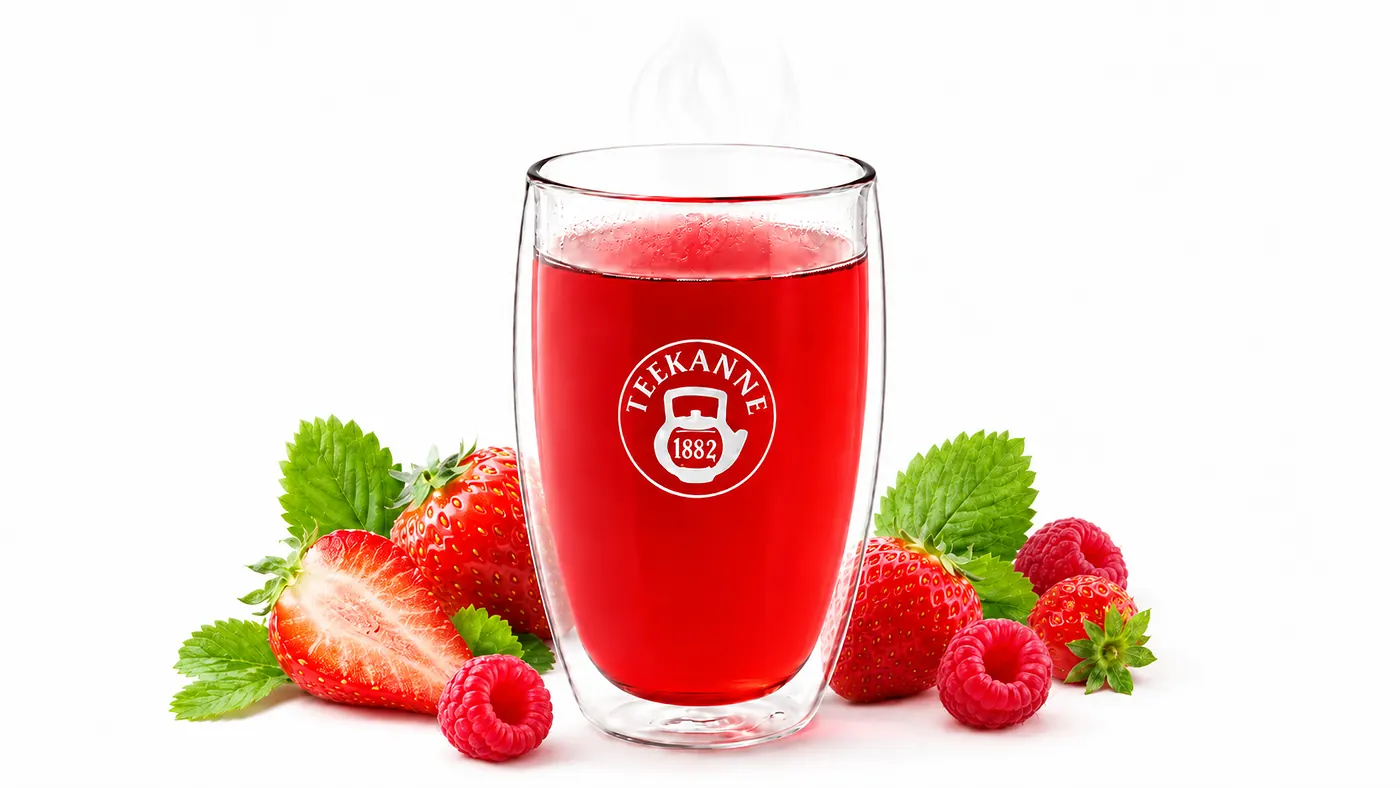
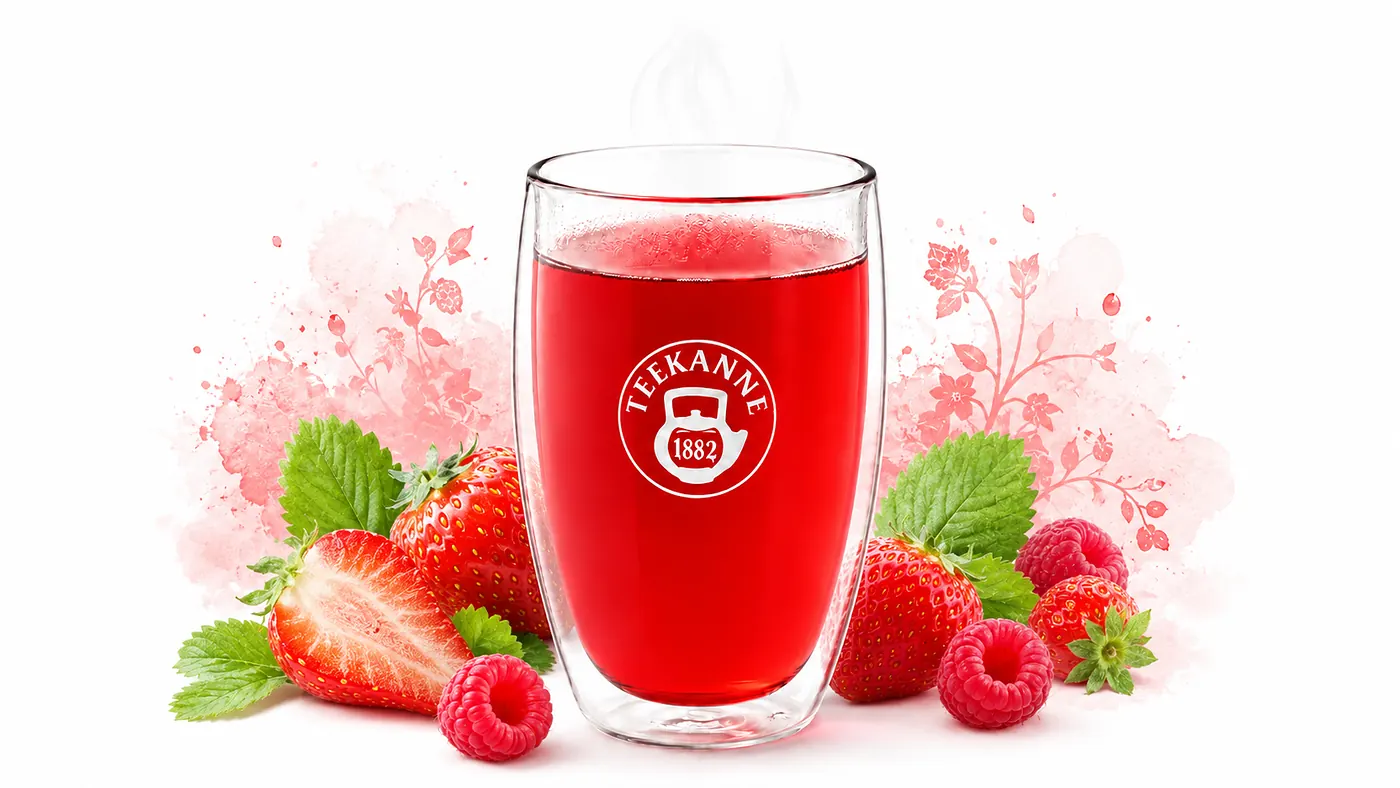
TEEKANNE Taste SKUs - 5 Different flavours, 5 different emotions.
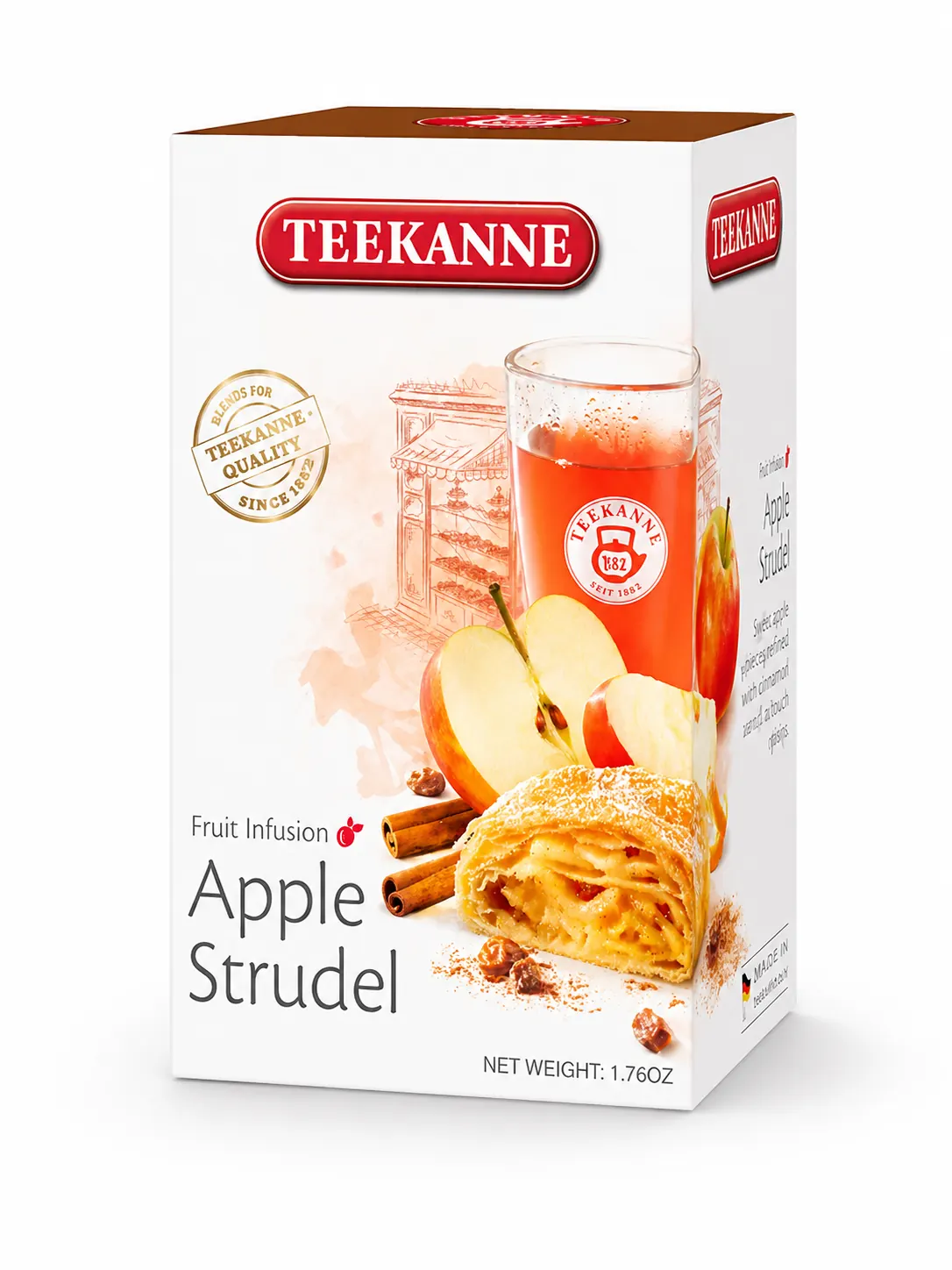
Apple Strudel
Soft, familiar and inviting.
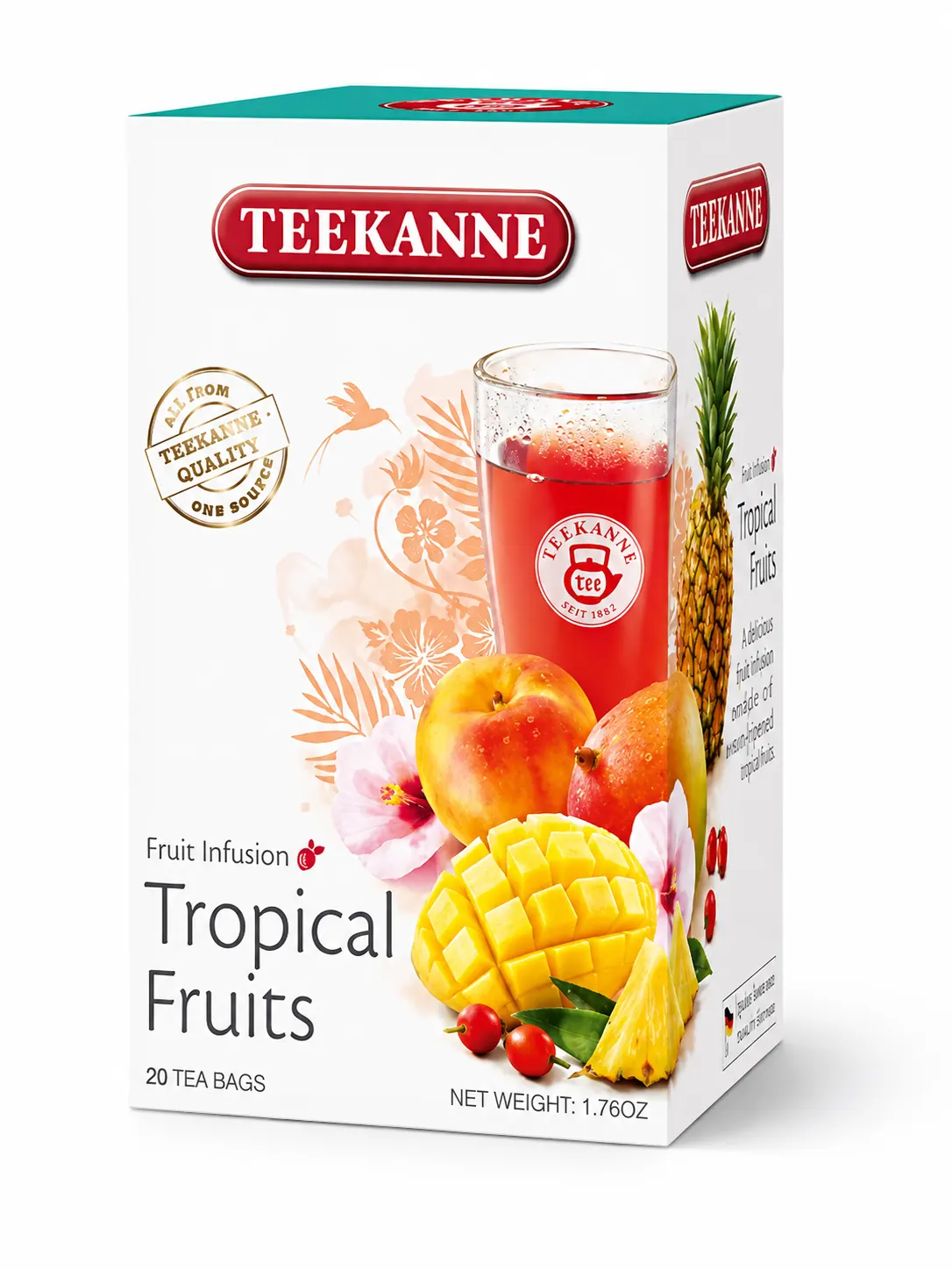
Tropical Fruits
Energetic, exotic and optimistic.
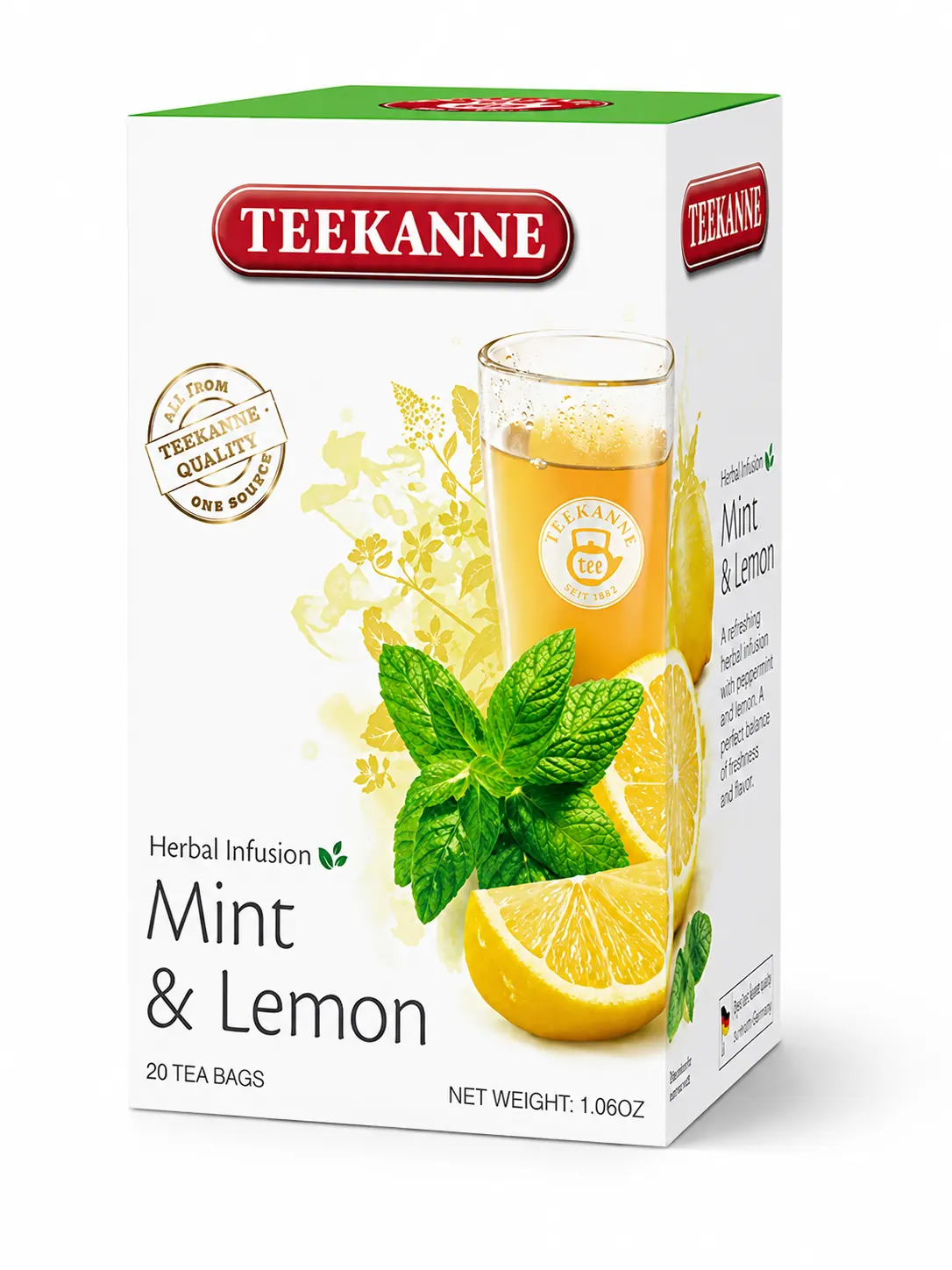
Mint & Lemon
Clean, cooling and contemporary.
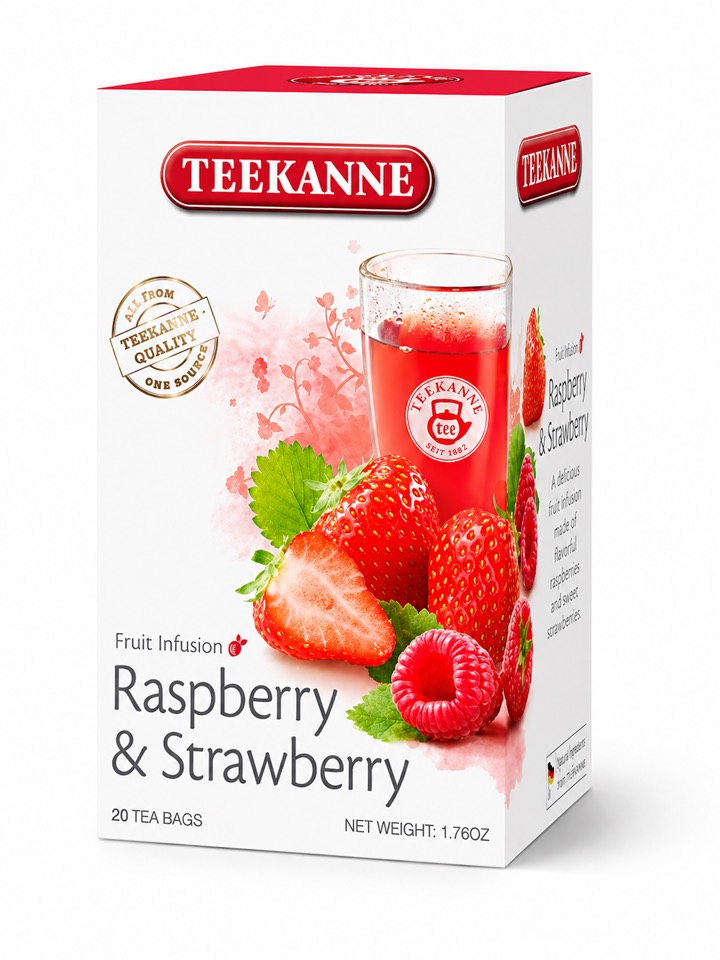
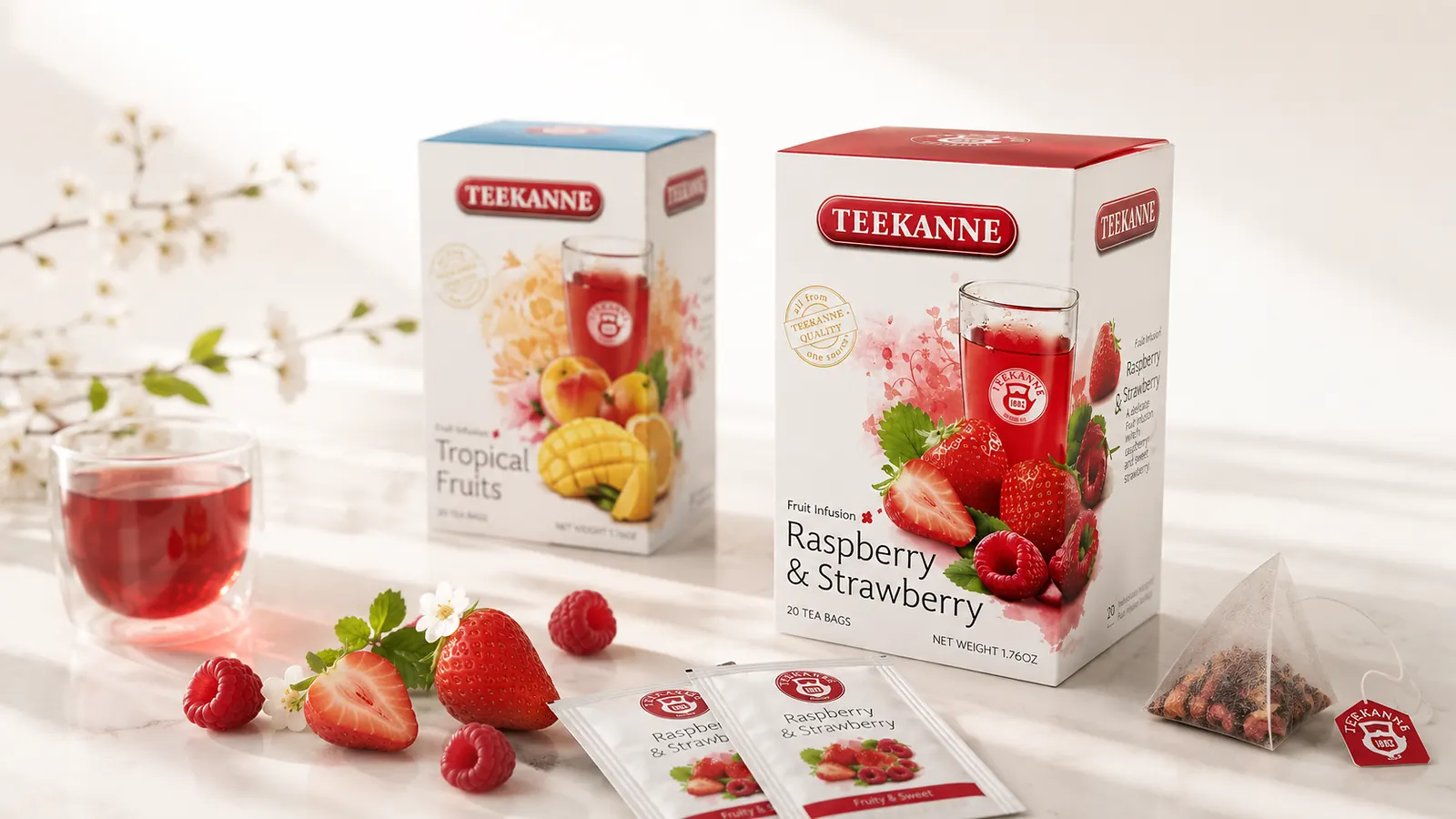
Raspberry & Strawberry
Bright, fruity and refreshing.
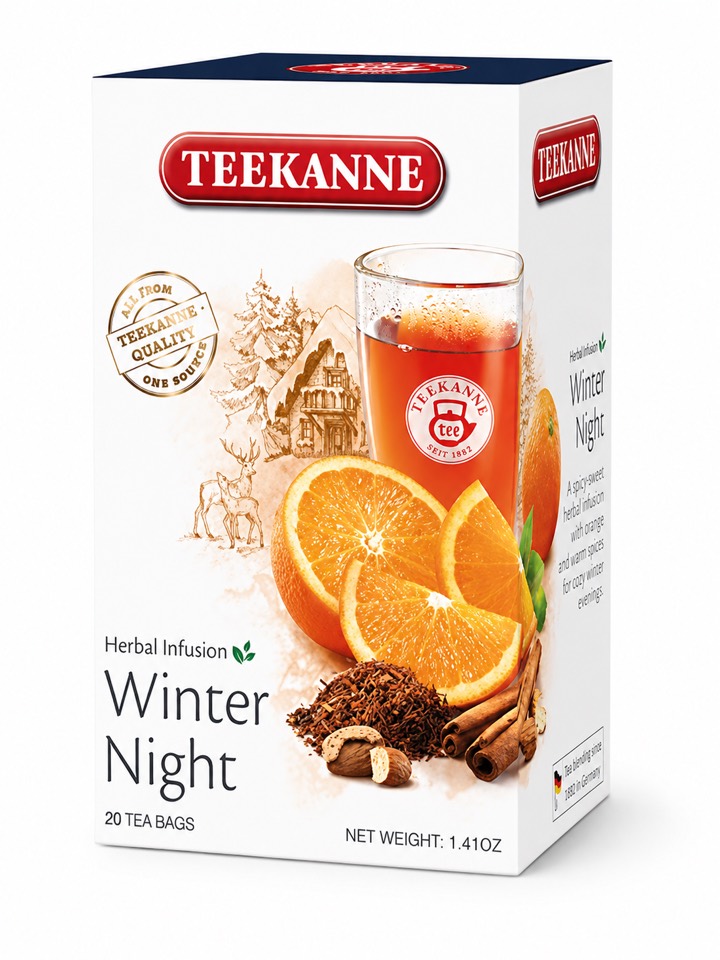
Winter Night
Warm, atmospheric and comforting.
Guiding principle
Do not imitate Chinese tea culture. Create a new occasion within it.
Rather than presenting TEEKANNE as an authority on traditional tea, the brand entered through colour, taste, accessibility and lifestyle. This gave consumers a clear reason to choose it without asking the brand to compete on cultural heritage it did not own.
A system designed to travel
One idea, multiple touchpoints
The creative direction was developed beyond a single campaign image. It became a flexible system that could move across product packaging, digital communication, campaign key visuals, website content, flavour storytelling and promotional materials.
Market update · 2026
The visual execution evolved. The proposition remained recognisable.
Years after the original market-entry work, TEEKANNE fruit infusions remain visible in Chinese digital culture.
Current Xiaohongshu communication continues to position products such as Raspberry & Strawberry around cold brewing, summer refreshment, convenience, fruit-led flavour and no-added-sugar drinking occasions.
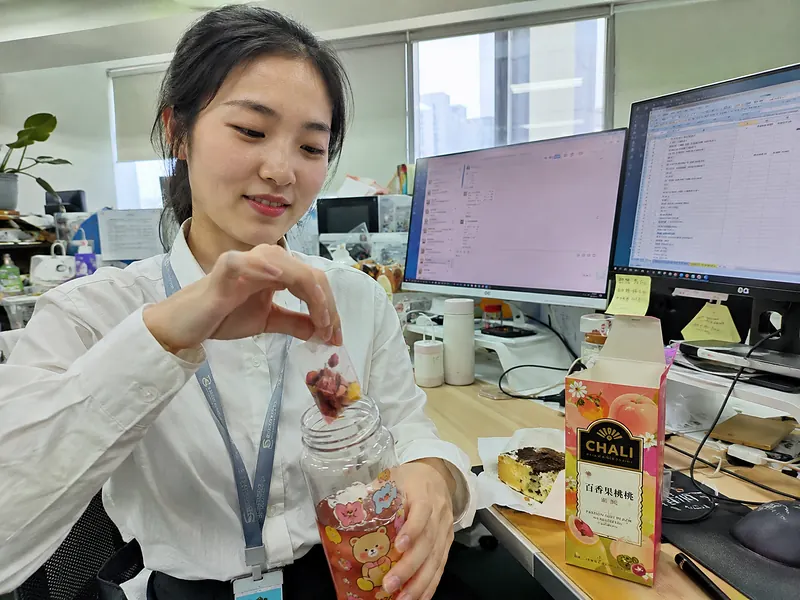
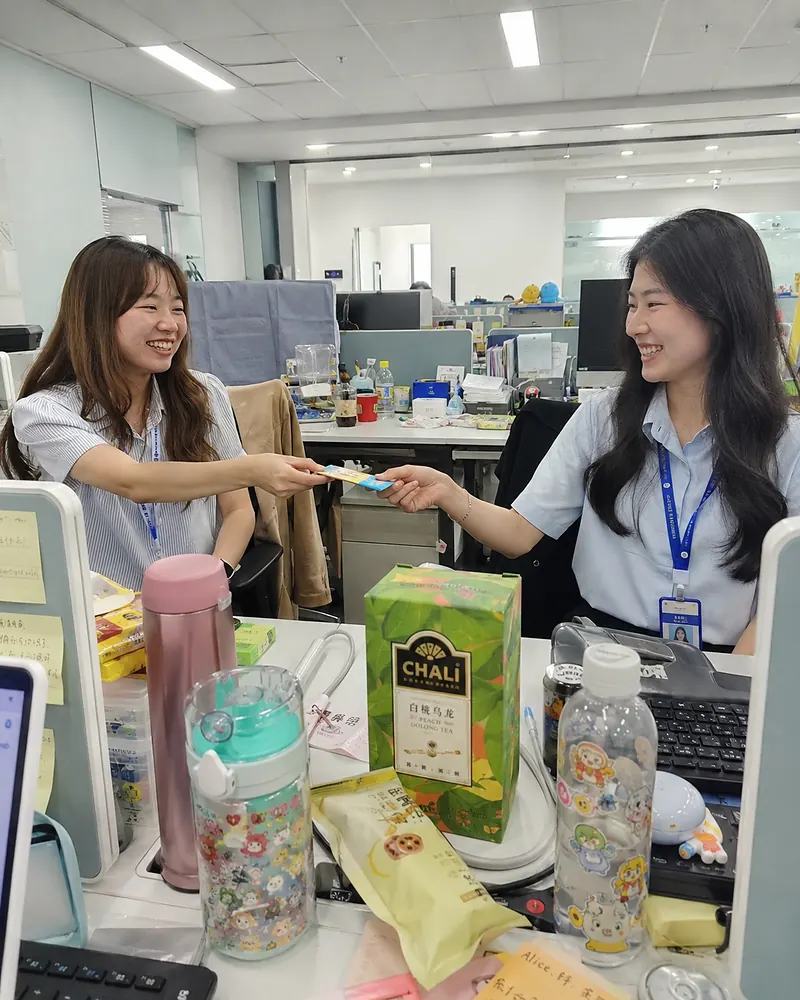
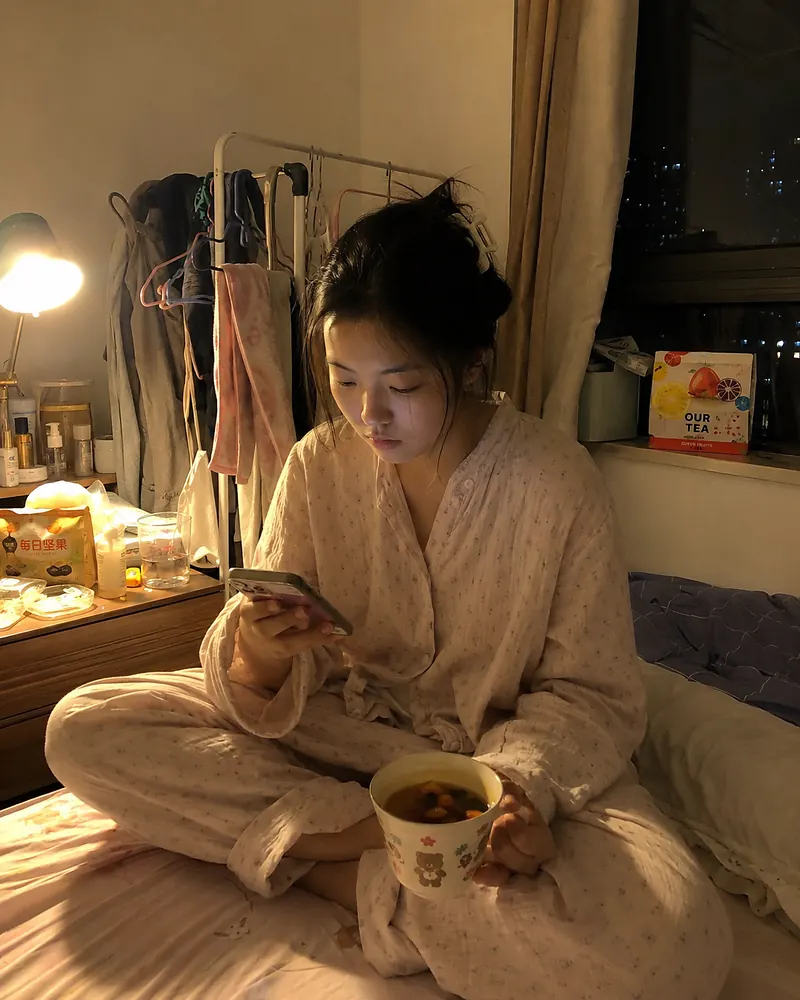
The product also appears in organic Chinese consumer reviews, showing that it has moved beyond brand-owned communication into everyday use.
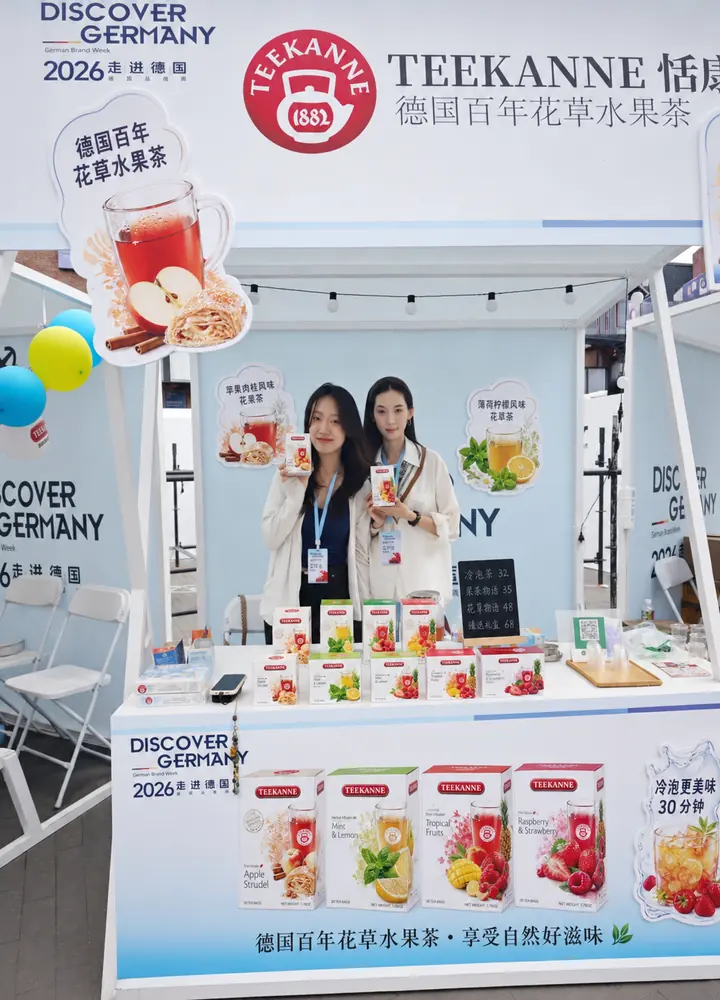
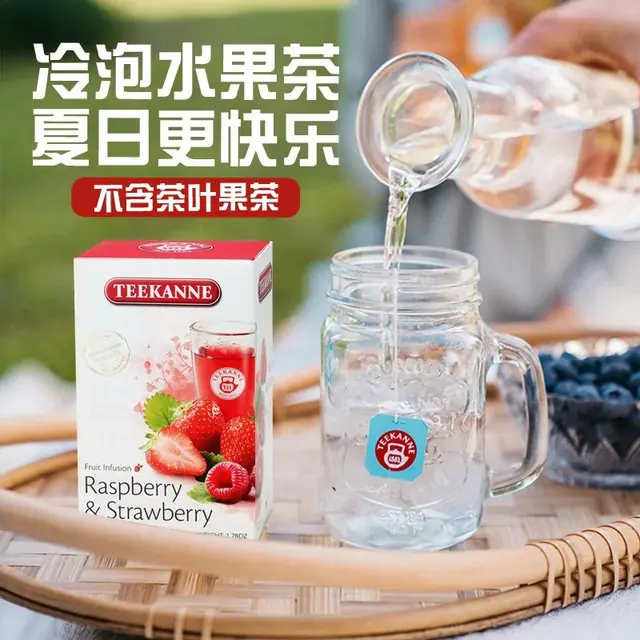
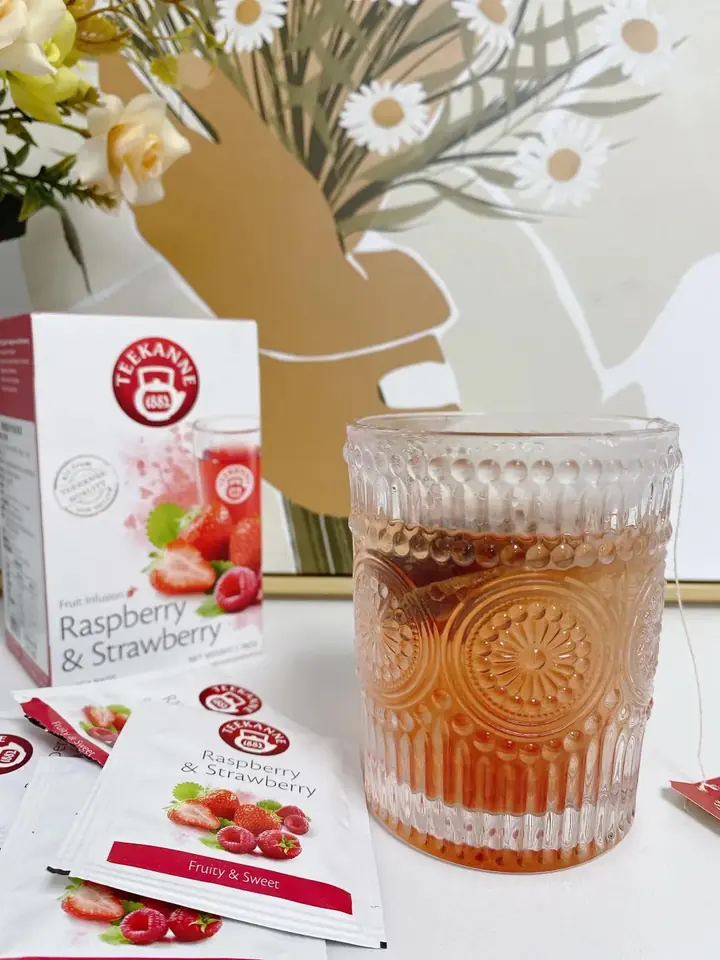
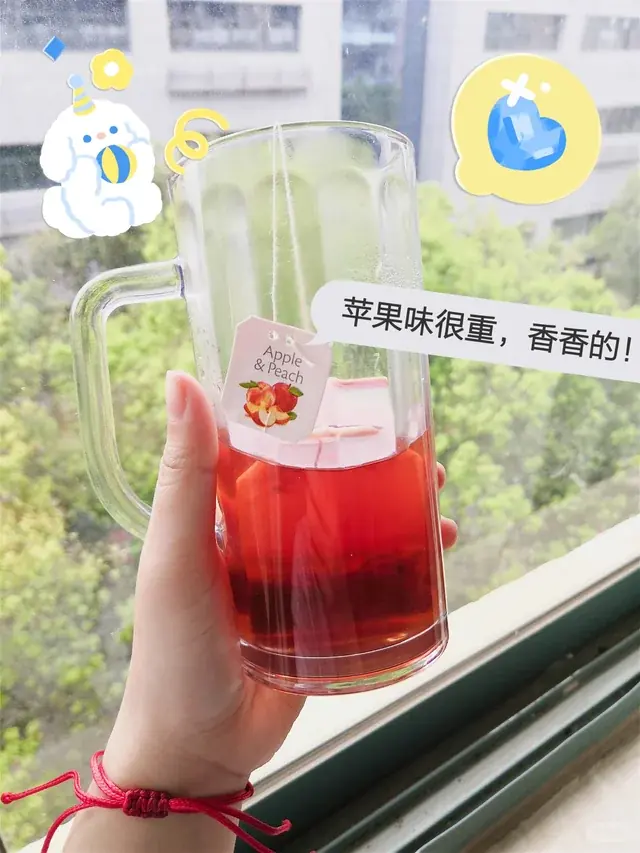
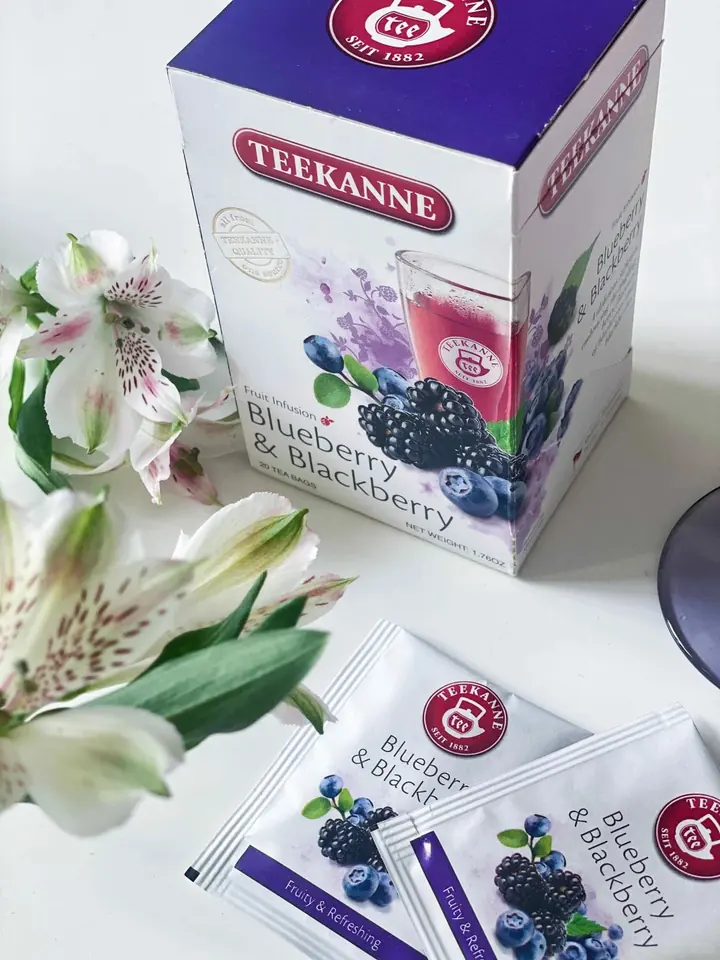
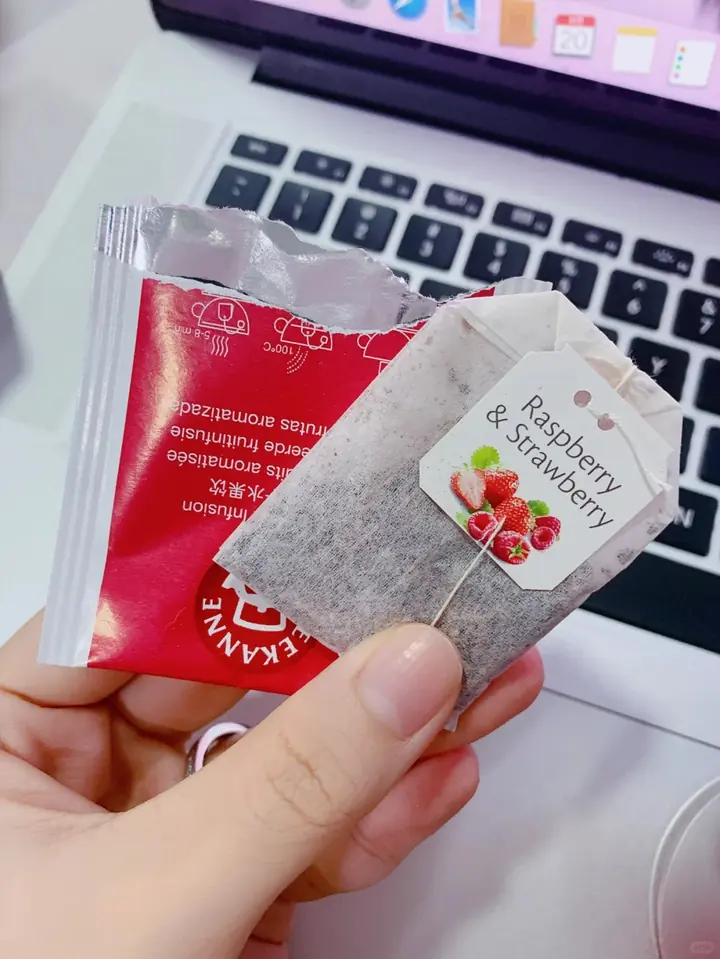
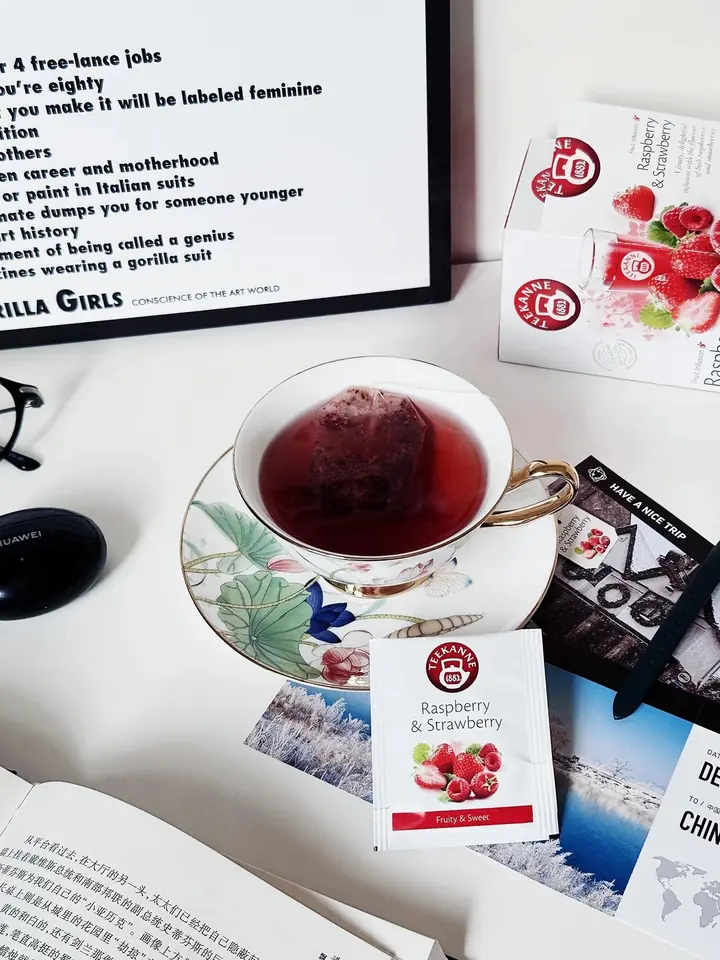
Official brand communication
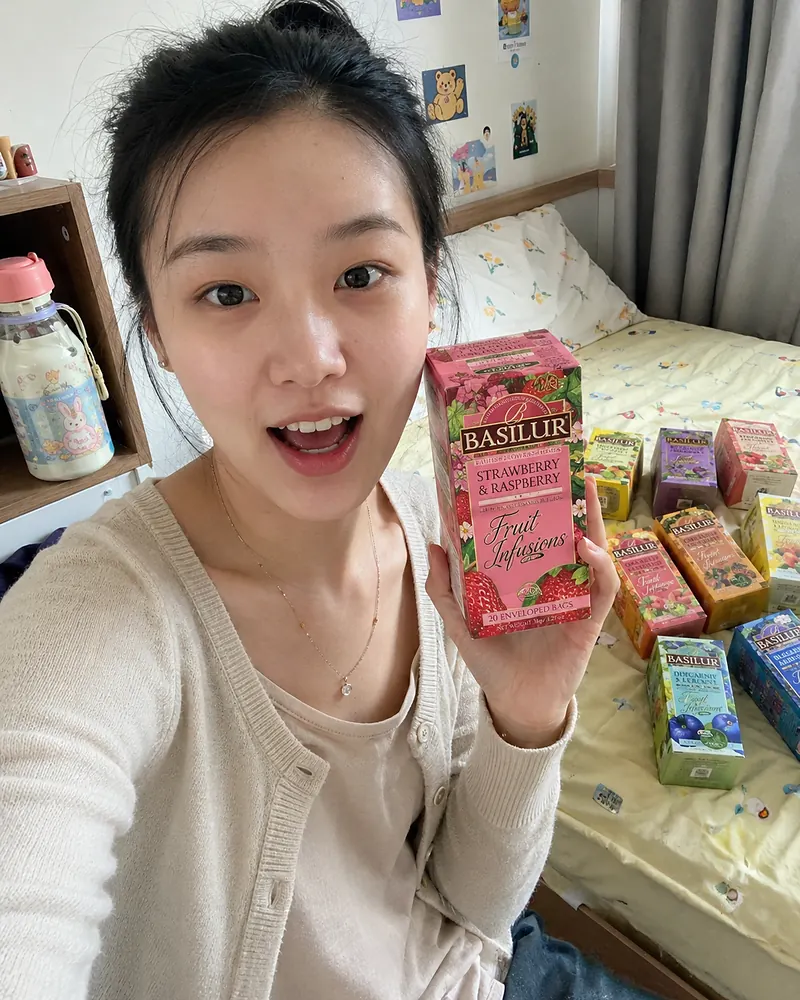
China-market content positioning Raspberry & Strawberry around cold brewing, convenience and summer refreshment.
Organic consumer review
A Chinese consumer discussing the product's raspberry aroma, acidity, sweetness and overall flavour.
The evidence demonstrates continued market presence and strategic continuity. It should not be presented as proof of market share or direct commercial causation.
Project summary
What the work proved.
The win
A foreign brand found a useful role in China by giving people a new reason to drink fruit tea. Years later, the idea still shows up in brand posts and consumer posts.
The problem solved
You cannot out-heritage Chinese tea culture. We shifted the question from authenticity to occasion, then built a system that could travel across packaging, campaign and digital.
The lesson
Positioning beats decoration. Decide the story first, then the images know what job to do. Without that frame, polish is only polish.
My role
Creative direction from market problem to visual system
I helped define the strategic and visual direction of the project, translating the market opportunity into a coherent creative system.
- Interpreting the positioning challenge
- Developing the central creative territory
- Directing the visual language
- Building distinct flavour worlds
- Connecting packaging and digital applications
- Turning market context into consumer-facing storytelling
Citation
Project credits
You cannot out-tea China. But you can find new reasons to boil water.
Work with me
If the work made sense, the next part is easy.
Tell me what you're building and where it keeps going wrong. I bring the strategy, the taste and the AI production; you get more that still looks like you. One conversation tells us both whether we fit.